DIY vs. Professional Drain Cleaning: Which Is Best for Your Home?
When confronted with a clogged drain, homeowners often consider the options of DIY solutions compared to professional services. DIY methods can appear appealing because of their cost-effectiveness, but they may not always resolve deeper issues. On the other hand, professionals provide expertise and advanced tools, but at a higher cost. Understanding the implications of each choice can be essential. What factors should a homeowner consider before making this decision?
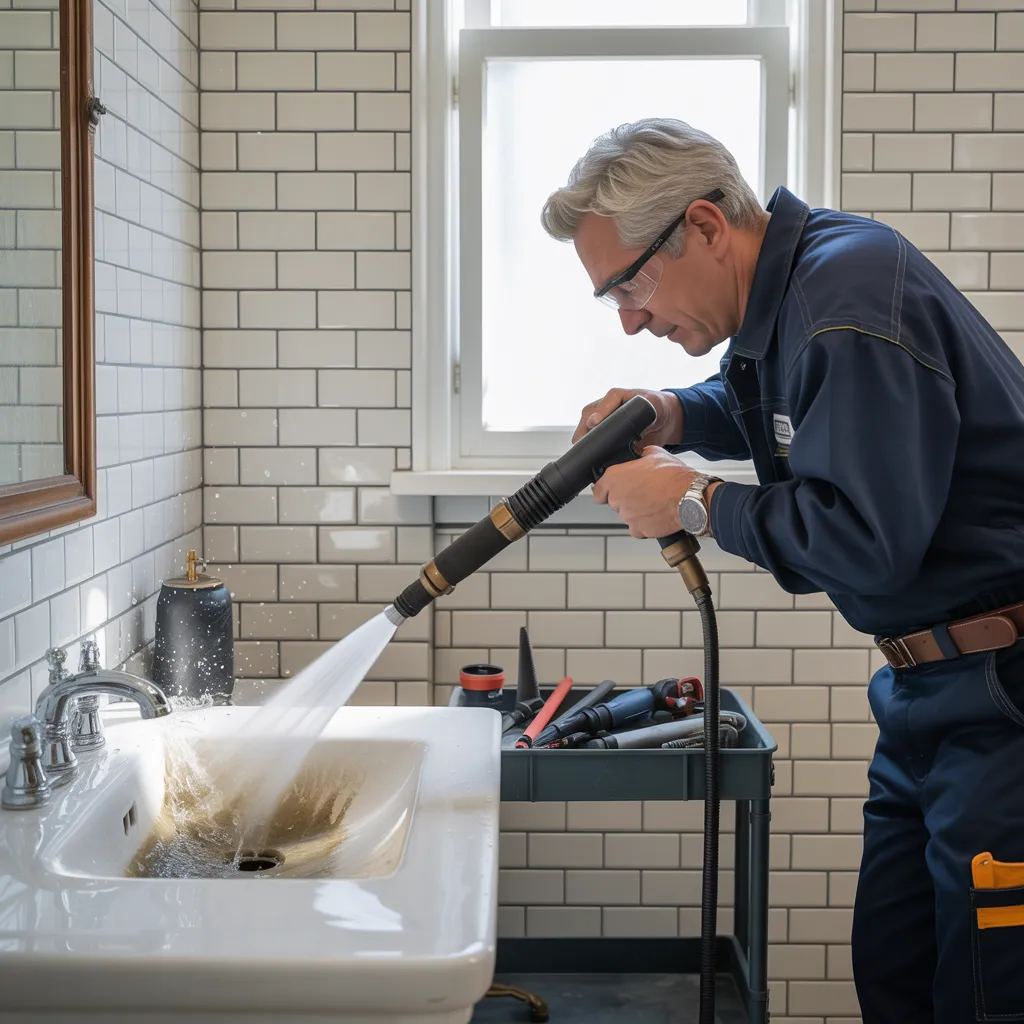
Does DIY Drain Cleaning Make Sense?
Does DIY drain cleaning actually represent a cost-effective approach? Many homeowners consider this approach, assuming it can cut costs. Elementary approaches, including using a plunger or a household baking soda and vinegar solution, are conveniently accessible and affordable. Nonetheless, the efficacy of these techniques can vary considerably, depending on the severity of the clog. Whereas small clogs may respond to DIY initiatives, stubborn or complex issues could fail to be resolved by basic methods, creating frustration and possible harm.
Additionally, incorrect use of tools or chemicals can worsen the issue, leading to costly repairs. Homeowners should also take into account the time and effort needed for proper DIY cleaning. In some instances, the initial savings may be counterbalanced by the risk of subsequent complications. Thus, while DIY drain cleaning can provide a temporary remedy, its sustained value remains questionable, requiring further consideration of the potential need for professional assistance.
Why Professional Drain Cleaning Services Are Beneficial
While DIY methods may deliver brief relief, professional drain cleaning services deliver numerous advantages and benefits that provide long-term fixes. Skilled technicians use state-of-the-art equipment, such as hydro-jetting and camera inspections, to locate and address the root causes of clogs. This expertise guarantees that underlying problems, like tree root intrusion or pipe corrosion, are efficiently addressed.
Moreover, professional plumbing services decrease the possibility of damage to plumbing systems, which can take place when inexperienced homeowners attempt to tackle complex problems. Additionally, these services often provide preventative maintenance, enabling homeowners avoid future blockages and expensive repairs.
Expert drain cleaning professionals additionally have thorough expertise in local building codes and regulations, ensuring compliance during service. Ultimately, utilizing professional drain cleaning enhances overall system longevity and performance, providing peace of mind that DIY methods simply cannot match.
Effective Home Drainage Cleaning Solutions
For residents searching for instant remedies to light drain issues, various useful DIY drain cleaning methods can offer short-term solutions. A common method involves blending baking soda and vinegar. Adding half a cup of baking soda then adding 1/2 cup of vinegar into the drain can work to dissolve buildup. After letting it sit for about 30 minutes, running hot water often clears the pipes.
Another method utilizes a plunger. By making a seal around the drain and exerting powerful thrusts, a plunger can dislodge stubborn clogs. For more difficult blockages, a plumber's snake or auger can be employed to address deeper obstructions.
Moreover, a mixture of salt and boiling water can assist in break down grease and debris. Routine maintenance, such as pouring hot water down the drain every week, can also stop future clogs. These techniques provide homeowners cost-effective solutions before considering professional assistance.
Risks of DIY Drain Cleaning You Should Know
Undertaking DIY drain cleaning can cause unexpected risks that homeowners should be mindful of. One significant concern is the potential for chemical burns or injuries from using harsh drain cleaners. These solutions can be risky if mishandled, causing injury to both skin and eyes. In addition, improper use of tools, such as drain snakes, may result in damage to plumbing fixtures or pipes, creating costly repairs.
Homeowners may also introduce blockages further down the line by pushing debris instead of removing it. Insufficient knowledge may worsen current problems, rendering them more difficult to fix. Moreover, some drain problems may indicate deeper issues within the plumbing system, which a DIY approach might overlook. These missed signs can cause more serious problems and elevated fix charges. Therefore, comprehending these hazards is crucial before opting to manage pipe clearing yourself.
Making a Choice Between DIY and Professional Help
Homeowners often find themselves weighing the benefits of DIY drain cleaning methods versus professional services. The appeal of DIY methods lies in their affordability and the sense of accomplishment they provide. Readily obtainable tools and solutions can make homeowners feel capable of managing minor drain blockages. However, this route carries risks, including potential damage to plumbing systems and ineffective results.
In contrast, professional drain cleaning services deliver expertise and specialized equipment, ensuring thorough and safe removal of blockages. Professional technicians can rapidly diagnose underlying issues that might go unnoticed by an untrained eye, ultimately saving homeowners from more costly repairs in the future.
Ultimately, the selection relies on the extent of the blockage, the homeowner's confidence with plumbing work, and budget considerations. A careful evaluation of these factors can direct homeowners toward the most appropriate solution for their unique situation.
FAQ
What Is the Recommended Frequency for Drain Cleaning?
Ideally, drains should be cleaned article every six to twelve months, contingent upon usage and household factors. Regular maintenance helps prevent clogs and provides efficient drainage, fostering a healthier plumbing system for any home overall.
What Supplies Do I Need for DIY Drain Cleaning?
For effective drain cleaning, key tools include a plunger, plumber's snake, baking soda, vinegar, a wet/dry vacuum, and a pair of rubber gloves. These items assist in removing clogs and keeping drains hygienic.
Is It Safe to Use Chemical Cleaners?
Following instructions carefully allows chemical cleaners to be used safely. Still, using them incorrectly could harm pipes or pose health dangers. Wearing protective equipment and ensuring adequate ventilation during use is essential.
Which Signs Suggest a Significant Drainage Issue?
Frequent clogs, poor drainage, unpleasant odors, gurgling sounds, and water backups are indicators of severe drainage issues. Ignoring these signs may cause more severe plumbing problems demanding professional attention to prevent costly repairs.
How Much Do Professional Services Typically Cost?
Skilled drain cleaning services typically range from $100 to $500, depending on the severity of the problem and local market rates. Further complications may raise costs, making it essential to assess specific needs before hiring.